Working with a receding hairline is a set of skills, not a shopping trip. No product rebuilds a hairline, but a few practical habits, how you get it cut, how you style it in two minutes, and what you stop doing, change how it reads more than most men in Rock Hill expect. This is the hands on version: the steps you can do yourself, and the points where the barber's chair is the right tool.
Start from one honest look. In daylight, with your hair dry and unstyled, note where the recession is: temples only, a clear M shape, thinning on top, or the crown joining in. Every step below tunes to that picture, and retaking it once or twice a year keeps the routine matched to the hair you have rather than the hair you remember.
The working routine, step by step
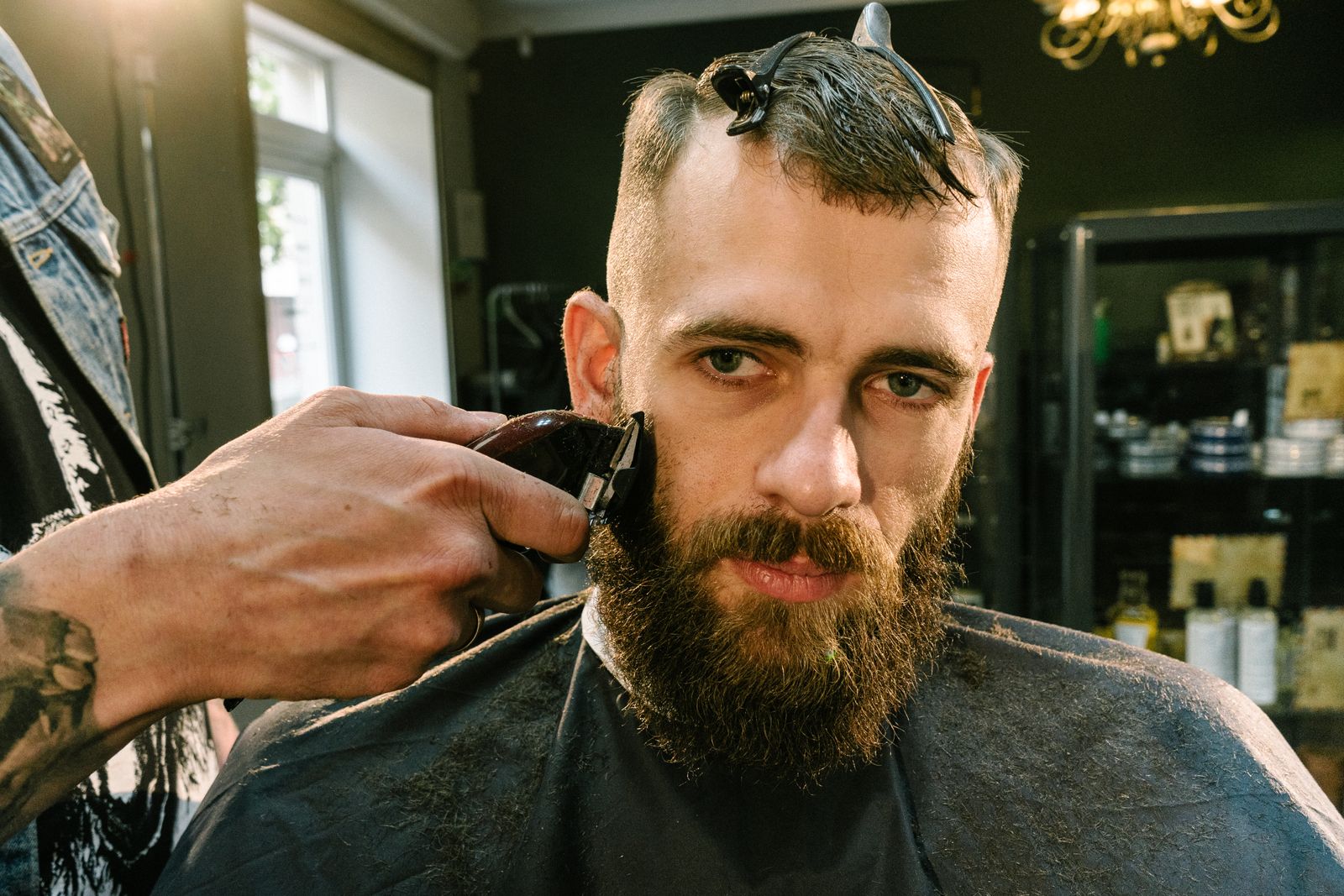
- Get the sides shorter than the top. Ask for a taper or low fade that keeps the sides tight. Short sides make the top read fuller by contrast, with no product involved.
- Ask for texture, not length, on top. Point cut or lightly textured ends break up the surface so light does not show a smooth sheet of scalp between hairs.
- Style forward, not back. Push the front forward or to the side with your fingers as it dries. Slicking straight back puts the hairline on full display.
- Use a pea sized amount of matte product. Work it through dry hair with fingertips to separate, not clump. Shiny or heavy product groups hair into strands and shows scalp.
- Blow dry forward on low heat if you dry at all. Two minutes aimed forward adds lift at the root, which is where the appearance of density is decided.
- Keep the neckline and edges clean between cuts. A tidy frame makes any hairline look deliberate. This is maintenance anyone can do carefully at the edges only.
- Reassess every six months. If the steps stop working because thinning has spread, shorten the whole cut a step rather than styling harder.
What to stop doing
Three habits work against you daily. First, the cover sweep: longer hair combed across a bare area separates the moment you move, and everyone has seen it separate. Second, growing the front into a long fringe and flattening it down, which shines under light and maps the recession exactly. Third, checking and rearranging through the day, which does not change the hair and does change how confident you look. At 1 Cut Above, the cut most often recommended for a receding hairline follows the steps above, and the relief men report is mostly about mornings: two minutes, no arranging, nothing to check.
When the steps point to a buzz
The routine has a limit, and it is worth stating plainly. When the top is thin enough that texture and forward styling still leave the scalp clearly showing through in daylight, shorter stops being a styling choice and becomes the honest cut. A buzz at a moderate guard, kept even, with the sides blended and the beard, if you wear one, shaped to carry some of the definition, looks stronger than any workaround. Treat it as step eight rather than a defeat: do it at the barber the first time, live in it for a month, and judge it by how often you think about your hair, which is usually the metric that settles it.
Small extras that pull weight
A shaped beard shifts attention and adds structure to the lower face, balancing a high hairline; even a short beard with clean cheek lines does this. Eyebrow and ear tidiness, unglamorous as it sounds, raises the overall groomed read that makes a hairline unremarkable. And keep sun protection on the exposed scalp in Rock Hill summers, because a sunburned hairline is the one version of it that truly draws the eye. None of these are tricks. They are the same principle repeated: lower the contrast, raise the tidiness, and let the hairline be one plain fact among several tidy ones.
Common questions
What should I ask my barber for with a receding hairline?
Shorter, tapered sides, texture on top, and nothing long at the front. Say you want it worn forward with a matte finish, and ask the barber to judge it in daylight.
Which product works best for thinning hair at the front?
A small amount of matte clay or paste through dry hair. It separates hair without shine. Avoid gels and wet look products, which clump hair and show scalp.
How do I know it is time to just buzz it?
When forward styling and texture still leave the scalp clearly showing in daylight, and mornings have become arranging and checking. A moderate guard buzz usually ends both problems at once.
Photos in this guide are representative stock images.
← All guides from 1 Cut Above← Back to 1 Cut Above